
New fruit plants, and few returns in Superborowka offer.

Author: Superborówka | 19.09.2024
This year we have introduced some new plants into our offer, we have some returns as well!
Fruit plants – a few returns and a few novelties:
Kamchatka berry, varieties Wojtek and Zojka
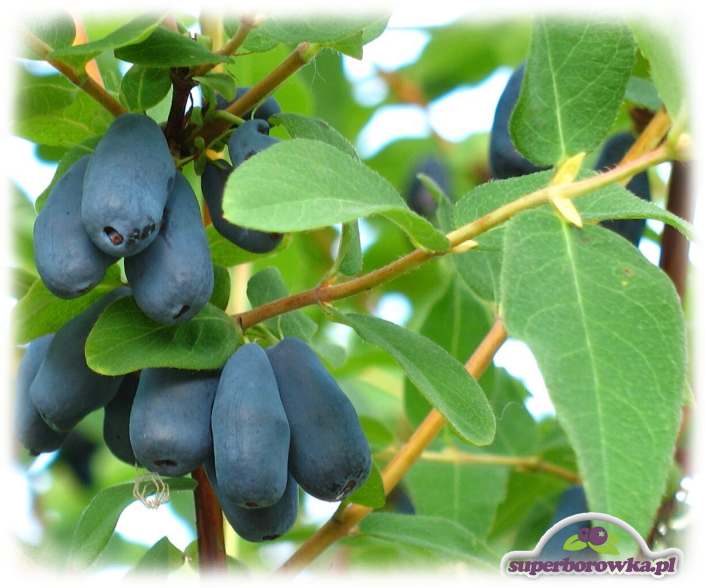
Lonicera caerulea var. kamtschatica, also known as honeyberry, is a fruit-bearing plant originating from the northern regions of Asia, mainly Siberia and Kamchatka. It is prized for its tasty, dark blue fruits, which are elongated like blueberries but are somewhat more tart and juicy. The plant is extremely frost-resistant (down to -40°C), making it well-suited for cultivation in colder climates. Kamchatka berry blooms very early, and the fruits ripen in early summer, often before strawberries. The berries are rich in vitamin C, antioxidants, and other nutrients, making them a healthy addition to the diet. Due to their sweet and tart flavor, Kamchatka berries are excellent for eating fresh or making into jams, juices, or liqueurs. The plant is easy to care for, which makes it popular among gardeners and those growing fruit in home gardens.
Raspberry, varieties Golden Queen, Vetten, and Norna
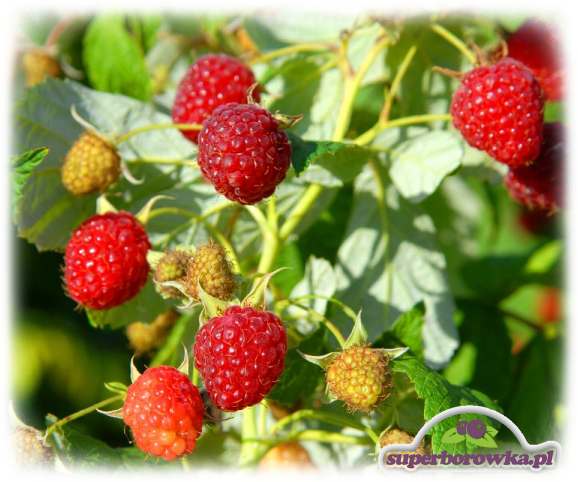
Rubus idaeus is a fruit-bearing shrub from the rose family, widely cultivated in gardens and orchards around the world. Raspberry fruits are small, juicy, red or yellow drupes that form distinctive aggregate fruit clusters. They are not only delicious but also rich in vitamins, especially vitamin C, and antioxidants, making them a valuable dietary addition. Raspberries prefer fertile, well-drained soil and sunny locations, though they are relatively hardy in various climatic conditions. The shrubs fruit in the summer, and their berries are used fresh or in preserves, desserts, juices, and herbal teas.
Saskatoon berry, varieties Smoky, Northline, Honeywood, Sleyt
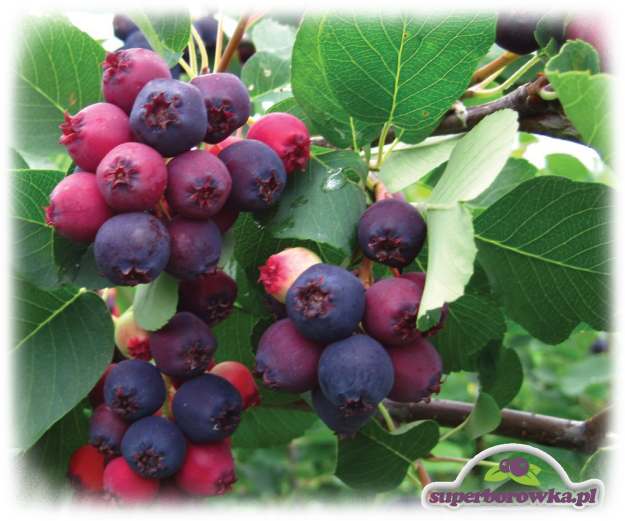
Amelanchier alnifolia is a shrub or small tree native to North America, valued both for its ornamental qualities and edible fruits. Saskatoon berries resemble small dark blue or purple berries and have a sweet, slightly almond-like flavor. Rich in vitamins, minerals, and antioxidants, they are a healthy dietary addition, often eaten fresh or used in jams, juices, and baked goods. The plant is highly frost-resistant, tolerates various soil conditions well, and its white spring flowers and beautiful fall foliage make it a popular ornamental plant in gardens and parks.
Thornless blackberry, varieties Thornfree and Satin
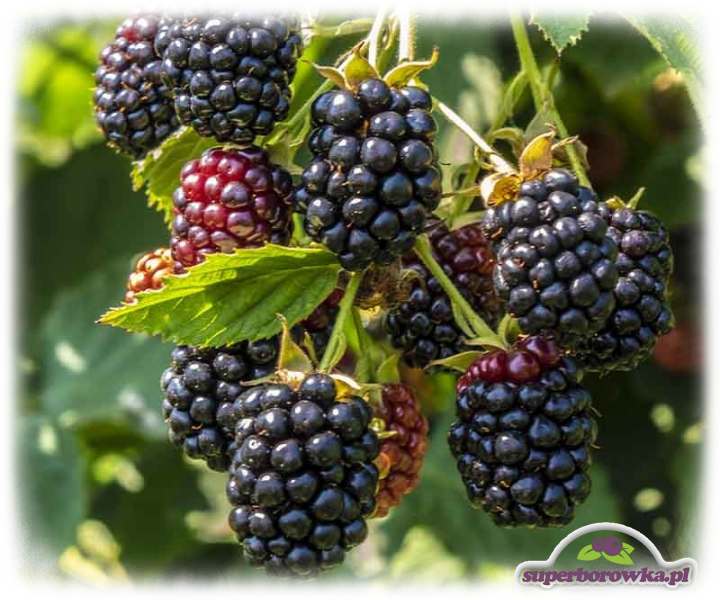
Rubus fruticosus, commonly known as blackberry, is a fruit-bearing shrub from the rose family, found mainly in Europe and Asia, but also cultivated worldwide. This plant has characteristic arching, thorny stems and produces juicy, black fruits that are aggregates of small drupes. Blackberries are rich in vitamins C and K, fiber, and strong antioxidants, making them highly beneficial for health. The berries are enjoyed fresh and used in jams, juices, desserts, and wines. The shrub is hardy, grows well in various soils, and is popular in horticulture due to its resilience and abundant fruiting.
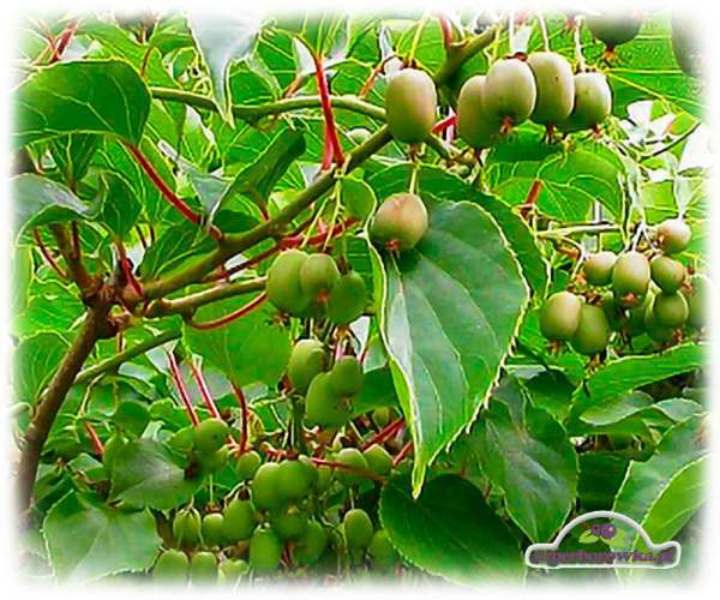
Mini Kiwi, varieties Issai and Dr. Szymanowski
Actinidia mini kiwi 'Issai' is a unique variety of miniature kiwi, originating from the species Actinidia arguta, characterized by small, smooth-skinned fruits that can be eaten without peeling. 'Issai' is particularly popular in gardens due to its self-pollination, meaning it doesn't require a second plant to produce fruit. The fruits have a sweet taste, similar to traditional kiwi, but are smaller and more delicate. The plant is quite frost-resistant and grows well in temperate climates, preferring sunny positions and fertile, well-drained soils. The fruits ripen in the fall and are rich in vitamins, especially vitamin C.
Large-fruited cranberry, varieties Willapa Red and Stevens
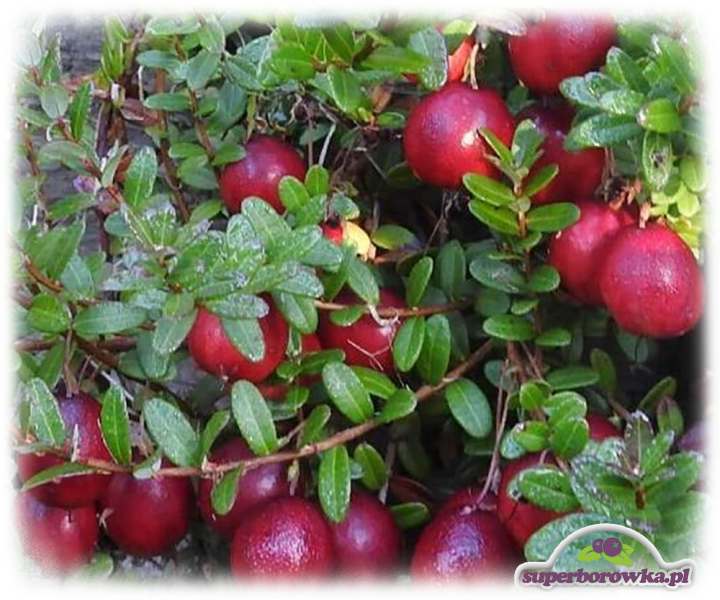
Vaccinium macrocarpon, variety 'Willapa Red', is one of the prized commercial cranberry varieties, known for its large, dark red fruits with an intense flavor. 'Willapa Red' is especially popular in commercial production due to its high yield and disease resistance. The fruits of this variety are rich in vitamin C, fiber, and antioxidants, making them a valuable part of the diet. Like other cranberry varieties, 'Willapa Red' thrives best in moist, acidic soils and is mainly used for producing juices, preserves, and dried cranberries.